
Art / Culture / Mythology / Cinema / Books
Select your language


Imagine entering a duke’s pleasure palace only to be confronted with one of the most disturbing visions in Spanish art. It is not a hunting scene or an idyllic landscape; it is three semi-naked men floating in a suffocating void while they devour a victim who seems to have lost all hope. This is the essence of Witches' Flight, a work where Francisco de Goya decided that true terror does not come from the beyond, but from the darkness that dwells within the human mind.
Read more … Goya's Witches' Flight: The Banquet of Ignorance

Imagine spending years of your life painting the most important work in Christendom, only to have a Vatican bureaucrat enter your sanctuary and claim your art is more worthy of a cheap tavern than a chapel. This is the story of how Michelangelo Buonarroti, the Renaissance's most temperamental genius, decided he didn't need words to defend himself: his brushes were enough to condemn his enemy to eternal torment before the eyes of the entire world.
Read more … Michelangelo's Revenge: The Hidden Code in the Last Judgment

Vincent van Gogh's masterpiece, "Café Terrace at Night," is much more than a vibrant and dynamic representation of an outdoor night scene. Painted in Arles in September 1888, this piece contains one of the most serene and, paradoxically, mystically charged atmospheres of his entire career. With its vision of a relaxed spectator enjoying the charm of their surroundings without moral concerns, the painting encapsulates a simple beauty that hides a profound message beneath the gaslight.
Read more … A Van Gogh and a Café: The Secret of the Last Supper in Arles

Sleeping Venus is a sensual and sumptuous work of art attributed to both the Venetian genius Titian and his master, Giorgione. Considered one of the first full-length female nudes ever painted in Venice, this representation of the goddess of love has been described as one of the most beautiful and enigmatic reclining nudes in universal art history.
Read more … Sleeping Venus: The Mystery of Beauty that Changed the Course of Art
Page 5 of 15
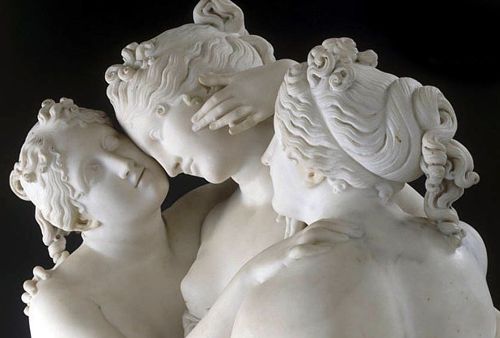

En la antigua Grecia vivía un anciano (Cimon). El anciano fue condenado a muerte por hambre, lo mantuvieron en prisión. La idea era mantenerlo hambriento hasta que muriera. Su querida hija (Pero)...

La obra "Mujer con una concha" de William-Adolphe Bouguereau, cuyo título original en francés es "Femme à la Coquille" (1871), es una de las pinturas más representativas del virtuosismo técnico y la...
Read more … Mujer con una concha de William-Adolphe Bouguereau
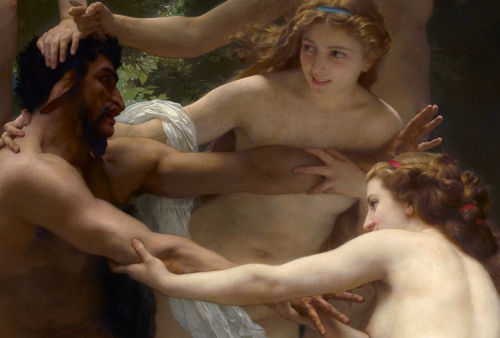
En la espesa orilla de un río en plena naturaleza, el artista francés William-Adolphe Bouguereau captura un instante encantador y mítico en su obra Ninfas y sátiro (1873). Este óleo, de imponentes...

Endymion en la mitología griega, es un hermoso joven que pasó gran parte de su vida en un sueño perpetuo. La ascendencia de Endymion varía entre las diferentes referencias e historias antiguas, pero...
Desde los albores de la civilización, el Inframundo (el Hades griego o el Orco romano) ha sido el destino ineludible, el reino sombrío donde las almas de los mortales se disuelven en la eternidad....
Read more … Los cielos inconmensurables - Juno amantando a...
Art Supplies / Oil Paints / Brushes / Watercolors / Canvases & Papers / Prints / Books / Gifts
Estamos ahi, igual que tu !


 Sumérgete en un viaje emocionante donde la creatividad y la belleza artística se fusionan para dar vida a narraciones atemporales que siguen cautivando al mundo moderno. Desentrañamos los secretos ocultos detrás de estas obras icónicas y te llevamos en un recorrido único por la intersección entre mitología y genialidad artística.¡Déjate inspirar por la riqueza cultural que perdura a través de los siglos !