
Art / Culture / Mythology / Cinema / Books
Select your language

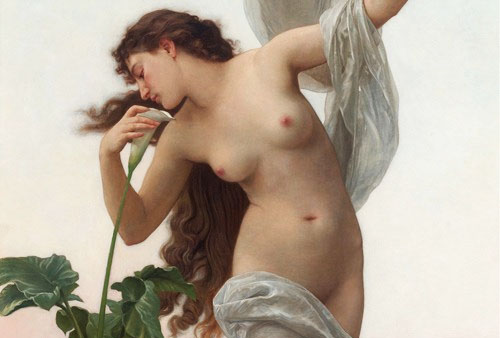
In the heart of the 19th century, an era of artistic revolutions and profound social change, there emerged a painter whose technical mastery and idealized aesthetics elevated him to the summit of academic art: William-Adolphe Bouguereau. At a time when realism challenged classical norms and impressionism emerged with loose brushstrokes and vibrant colors, Bouguereau remained faithful to the principles of academic tradition, refining his art with a meticulousness that seemed to defy the very nature of the canvas.

Among all the disturbing images that Francisco de Goya painted at the end of his life, few are as unsettling as The Witches’ Sabbath. There is no heroism, no classical beauty, and no decorative intention. There is fear, superstition, and an uncomfortable feeling: the sense of looking at something that was never meant to be seen.
Read more … Goya’s Witches’ Sabbath: An Allegory of Power in the Shadows

Before Goya painted horror, horror already existed. It lived in myths, in the stories ancient civilizations used to explain the unexplainable: time, violence, power, and the fear of losing it all. Saturn —Cronos to the Greeks— was not a monster. He was a god. The god of time. And like every god who rules over something that cannot be stopped, he was condemned to paranoia.
Read more … Saturn Devouring His Son: When Myth Stops Being a Myth

La oscuridad no era para Michelangelo Merisi da Caravaggio una simple técnica pictórica; era su refugio, su condena y, finalmente, su propia piel. En el ocaso de su vida, acosado por sus demonios internos y por la justicia de los hombres, el genio del tenebrismo nos entregó una de las piezas más perturbadoras y lúgubres de la historia del arte: David con la cabeza de Goliat. Pero tras la superficie de este lienzo barroco no solo hay pintura, hay una confesión de asesinato bañada en sangre y sombras.
Read more … The Murderer's Head: The Bloody Secret in Caravaggio's Final Self-Portrait
Page 4 of 15
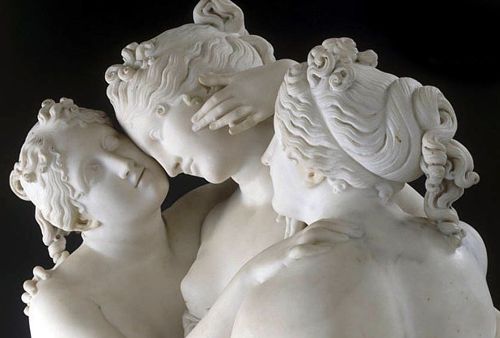


Read more … El Fuego Inmortal de Hero y Leandro: Un Amor que...

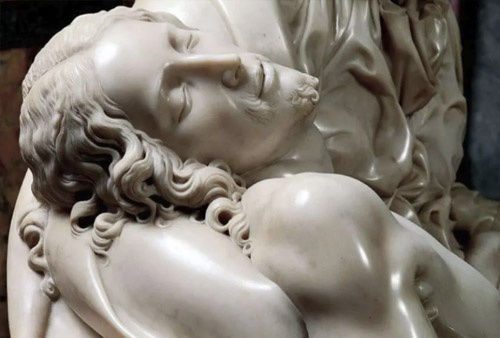
En el corazón del Renacimiento, cuando el arte y la ciencia se entrelazaban en una danza de redescubrimiento y creación, surgió una obra que encapsulaba la esencia del dolor y la divinidad en una...


En el corazón de la escultura italiana del siglo XIX, "La Meditazione" de Luigi Secchi emerge como un susurro tallado en mármol, una obra que no solo captura la vista, sino que envuelve el espíritu en un...
Read more … La Meditación de Luigi Secchi: Un Silencio que...
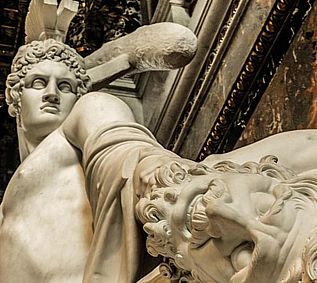
Teseo, el héroe rey de Atenas, tenía reputación de gran fuerza y valentía; pero Pirítoo, el hijo de Ixión, uno de los más famosos héroes de la antigüedad, quiso ponerlo a prueba. Por lo tanto,...
Art Supplies / Oil Paints / Brushes / Watercolors / Canvases & Papers / Prints / Books / Gifts
Estamos ahi, igual que tu !


 Sumérgete en un viaje emocionante donde la creatividad y la belleza artística se fusionan para dar vida a narraciones atemporales que siguen cautivando al mundo moderno. Desentrañamos los secretos ocultos detrás de estas obras icónicas y te llevamos en un recorrido único por la intersección entre mitología y genialidad artística.¡Déjate inspirar por la riqueza cultural que perdura a través de los siglos !