
Art / Culture / Mythology / Cinema / Books
Select your language


Some time ago, we published the story and work of The Rape of Proserpina by Bernini in La vida es Arte, a marvelous sculpture where unbridled passion was frozen in marble with the fervor of the Baroque. Now, it is the turn of another scene of abduction and sacrifice, that of Polyxena, a much darker story, charged with tragic love, vengeance, and the fatality that marked the bitter end of the Trojan War.
Read more … From Beauty to Sacrifice: The Inescapable Destiny of Polyxena
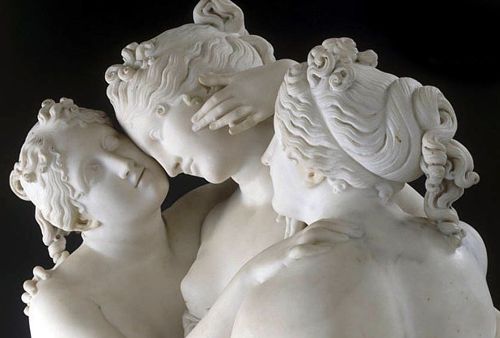
In the firmament of mythology, there exists a constellation of figures whose light lies not in destructive power or martial glory, but in the subtle, yet essential, vibration of amiability and beauty. They are the Three Graces, or Charites in the immortal language of the Greeks, and their legend is not one of conflict, but of perfect harmony. They are the rhythmic pulse of existence that celebrates the gift, the joy, and the radiant manifestation of grace. Their story is, in essence, the poetry of life itself, distilled into three female forms whose embrace has been perpetuated through the centuries.
Read more … Canova's The Graces: The Eternal Dance of Beauty, Joy, and Splendor Captured in Marble
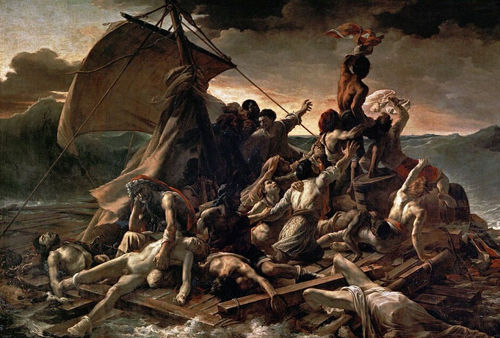
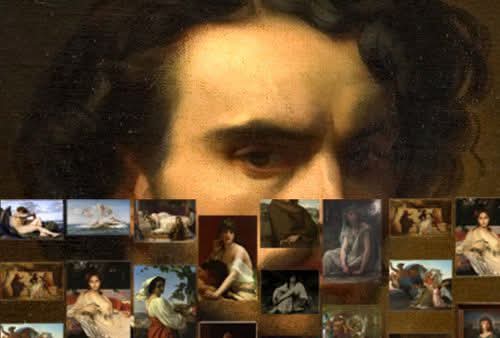
Romanticism, which flourished approximately between the late 18th century and the mid-19th century, was not just an artistic fashion; it was a cultural revolution that encompassed literature, music, and, of course, painting. It was born as a passionate reaction against the cold logic, strict order, and rationality imposed by Neoclassicism. If the Neoclassicists sought perfection in symmetry and the rules of Greco-Roman antiquity, the Romantics sought truth in a much deeper and more turbulent place: sentiment, imagination, and uncontrollable emotion.
Read more … The Roar of Feeling: Exploring Drama, Nature, and Passion in Romanticism Painting
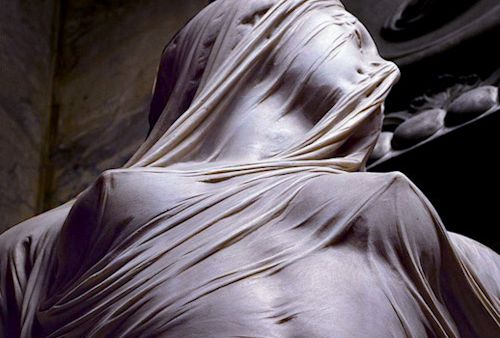
En el corazón de la enigmática Capilla Sansevero de Nápoles, una figura de mármol capta la luz con una fragilidad casi imposible: La Modestia (Pudicizia), también conocida como La Modestia Velada o Castidad Velada. Creada en 1752 por el escultor veneciano Antonio Corradini, esta obra no es solo un testimonio del virtuosismo barroco, sino la pieza central de un profundo y personal drama familiar envuelto en un velo de filosofía oculta.
Read more … The Veiled Modesty: Impalpable Marble, Filial Grief, and the Secrets of the Goddess Isis
Page 10 of 15

Desde los frescos de Pompeya que susurraban secretos en el calor del Vesubio, hasta los lienzos modernos que gritan la liberación del cuerpo, el erotismo ha sido una corriente subyacente,...
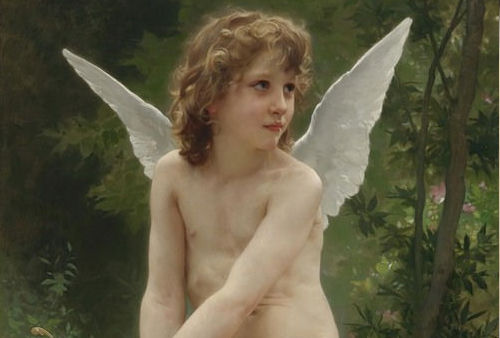
El arte, desde sus albores, ha recurrido al uso de símbolos para expresar ideas, emociones y conceptos complejos. Dentro de esta vasta simbología, pocos personajes han sido tan recurrentes y...

La leyenda del Ícaro mitológico está estrechamente relacionada con otras narraciones originadas en Creta, el lugar donde el Arquitecto Dédalo, padre del infortunado muchacho, trabajó como artesano y...


Eurídice era una hermosa ninfa de Tracia. Un día, un joven llamado Orfeo que paseaba ocasionalmente por el lugar, la conoce y flash, ambos se enamoran. La relación avanza rápidamente, todo parece...


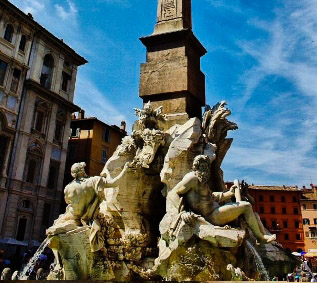
Cuando caminas por las estrechas calles que la rodean y finalmente llegas a la plaza, es casi imposible no quedar fascinado ante la vista de la fuente de Piazza Navona. Imponente y majestuosa, la...
Art Supplies / Oil Paints / Brushes / Watercolors / Canvases & Papers / Prints / Books / Gifts
Estamos ahi, igual que tu !


 Sumérgete en un viaje emocionante donde la creatividad y la belleza artística se fusionan para dar vida a narraciones atemporales que siguen cautivando al mundo moderno. Desentrañamos los secretos ocultos detrás de estas obras icónicas y te llevamos en un recorrido único por la intersección entre mitología y genialidad artística.¡Déjate inspirar por la riqueza cultural que perdura a través de los siglos !