Las primeras mujeres
- Details
- Pinturas
- 3312


Art / Culture / Mythology / Cinema / Books
Select your language

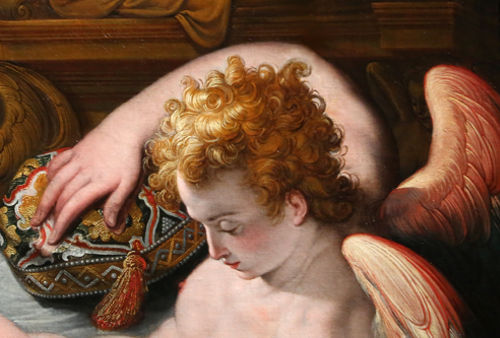
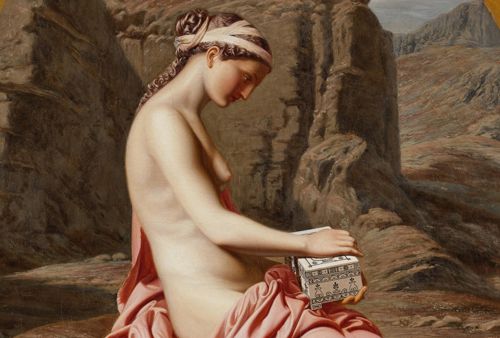
The story of Cupid and Psyche is, perhaps, the most beautiful allegory ever told about the human soul's journey toward immortality. The plot begins with Psyche, a king's daughter, whose beauty was so overwhelming that the people of her kingdom spoke only of her and, in doing so, forgot to follow the cult and adoration of Venus (Aphrodite), the goddess of love and beauty. The goddess, feeling outraged by this rivalry born of mortality, sends her son, Cupid (Eros), the god of desire, to punish the insolent girl.
Read more … Cupid and Psyche: The Soul's Ascent Through Passion and Curiosity

Some time ago, we published the story and work of The Rape of Proserpina by Bernini in La vida es Arte, a marvelous sculpture where unbridled passion was frozen in marble with the fervor of the Baroque. Now, it is the turn of another scene of abduction and sacrifice, that of Polyxena, a much darker story, charged with tragic love, vengeance, and the fatality that marked the bitter end of the Trojan War.
Read more … From Beauty to Sacrifice: The Inescapable Destiny of Polyxena
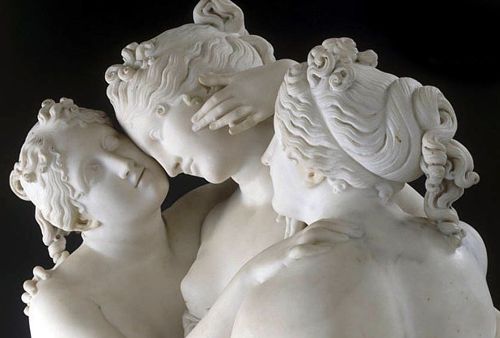
In the firmament of mythology, there exists a constellation of figures whose light lies not in destructive power or martial glory, but in the subtle, yet essential, vibration of amiability and beauty. They are the Three Graces, or Charites in the immortal language of the Greeks, and their legend is not one of conflict, but of perfect harmony. They are the rhythmic pulse of existence that celebrates the gift, the joy, and the radiant manifestation of grace. Their story is, in essence, the poetry of life itself, distilled into three female forms whose embrace has been perpetuated through the centuries.
Read more … Canova's The Graces: The Eternal Dance of Beauty, Joy, and Splendor Captured in Marble
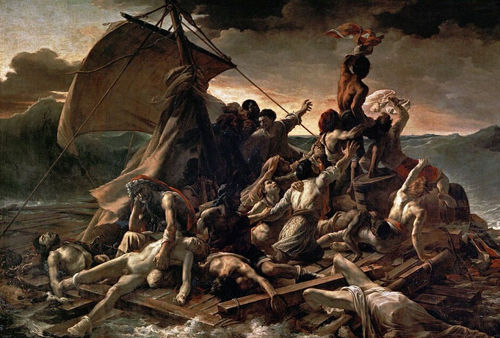
Romanticism, which flourished approximately between the late 18th century and the mid-19th century, was not just an artistic fashion; it was a cultural revolution that encompassed literature, music, and, of course, painting. It was born as a passionate reaction against the cold logic, strict order, and rationality imposed by Neoclassicism. If the Neoclassicists sought perfection in symmetry and the rules of Greco-Roman antiquity, the Romantics sought truth in a much deeper and more turbulent place: sentiment, imagination, and uncontrollable emotion.
Read more … The Roar of Feeling: Exploring Drama, Nature, and Passion in Romanticism Painting
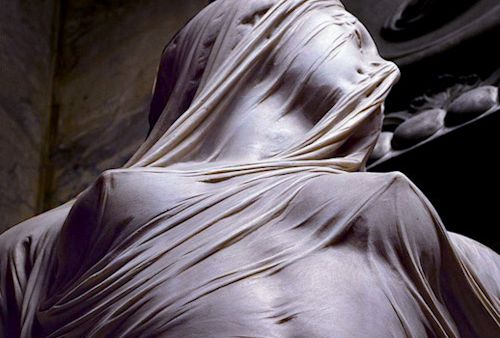
En el corazón de la enigmática Capilla Sansevero de Nápoles, una figura de mármol capta la luz con una fragilidad casi imposible: La Modestia (Pudicizia), también conocida como La Modestia Velada o Castidad Velada. Creada en 1752 por el escultor veneciano Antonio Corradini, esta obra no es solo un testimonio del virtuosismo barroco, sino la pieza central de un profundo y personal drama familiar envuelto en un velo de filosofía oculta.
Read more … The Veiled Modesty: Impalpable Marble, Filial Grief, and the Secrets of the Goddess Isis
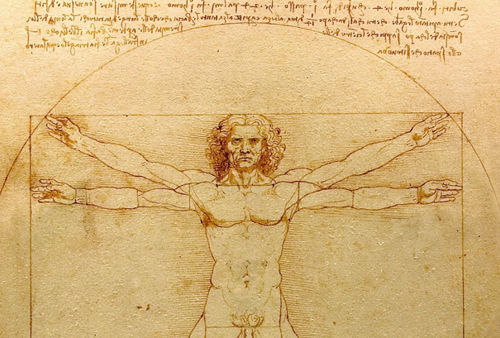
There are universal images that form part of our collective history, and one of the most iconic is undoubtedly Leonardo da Vinci's The Vitruvian Man. This illustration, repeated and reinterpreted throughout the centuries, is much more than a simple drawing: it is a symbol of the intrinsic connection between art, science, and philosophy. Created around 1490, this work reflects not only Leonardo's insatiable curiosity but also his commitment to the search for perfection and the universal laws that govern both the human body and the universe.
Read more … The Divine Proportion: The Vitruvian Man, a Map of Human Geometry and the Cosmos
Page 12 of 15


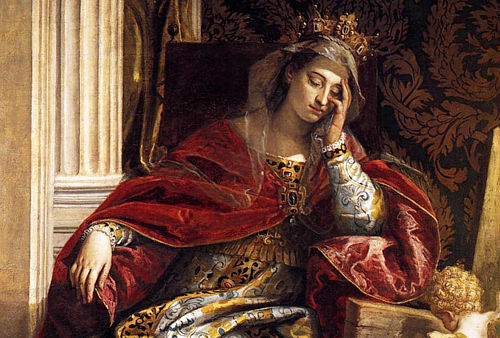
Permíteme contarte una de las historias más cautivadoras de la antigüedad, un relato que combina humildad, poder imperial, fe inquebrantable y un descubrimiento que transformó el cristianismo: la...
Read more … La Fascinante Historia de Santa Elena de la Cruz


El tema de la "Psique desmayada" está tomado de un episodio de las "Metamorfosis" de Apuleyo, principal fuente literaria del mito, en el que se dice que Psique, una niña mortal, se une con Cupido, hijo...
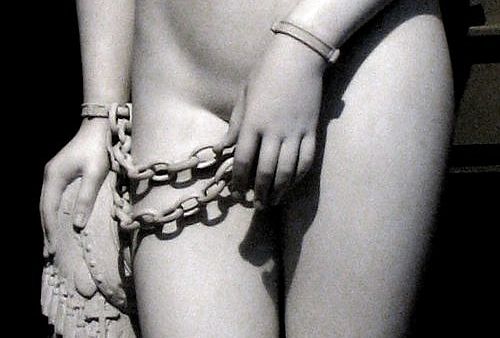
La esclava griega, es una obra de mármol creada por el escultor estadounidense Hiram Powers. Destacada y elogiada en el siglo XIX, esta pieza es una de las obras de arte más reconocidas y aclamadas de...

Art Supplies / Oil Paints / Brushes / Watercolors / Canvases & Papers / Prints / Books / Gifts
Estamos ahi, igual que tu !


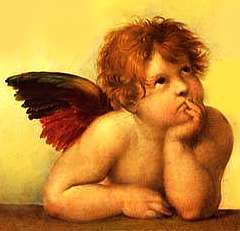 Sumérgete en un viaje emocionante donde la creatividad y la belleza artística se fusionan para dar vida a narraciones atemporales que siguen cautivando al mundo moderno. Desentrañamos los secretos ocultos detrás de estas obras icónicas y te llevamos en un recorrido único por la intersección entre mitología y genialidad artística.¡Déjate inspirar por la riqueza cultural que perdura a través de los siglos !
