Art / Culture / Mythology / Cinema / Books
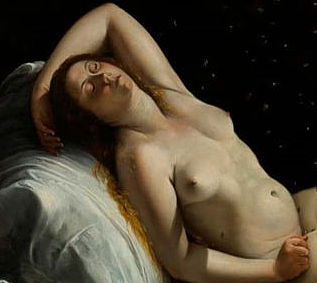
She was 17 years old. She lived in Rome. And the world she knew was about to be destroyed in a way no young woman should ever experience. Artemisia Gentileschi did not choose to be a symbol. She did not choose to be an example. She chose to survive. And in that survival she created one of the most powerful and most honest bodies of work in the entire history of art.
This is her story. Not the softened version. The real one.
Some painters change everything. And some painters change everything in silence. Johannes Vermeer belongs to the second group. He founded no movement. He left no manifestos. He had no known disciples. He painted 34 pictures, perhaps 37, nobody is entirely sure, and disappeared from history for almost two centuries. When the world rediscovered him in the 19th century, it was like opening a door that had been closed too long. On the other side was light. A light nobody has been able to fully explain.
Read more … Johannes Vermeer | The origin of a light that no one has been able to explain
The Kiss is an oil painting with added gold and silver leaf by the Austrian Symbolist painter Gustav Klimt. Its German title, Liebespaar, means: Lovers. It is considered a masterpiece of the early modern period, an icon of Jugendstil — Viennese Art Nouveau — and is regarded as Klimt’s most popular work.
Read more … Not the kiss she waited for. His decision. | Gustav Klimt's The Kiss
The story of the abduction of Persephone is more a story about Demeter than about her daughter Persephone. The violation of Persephone had terrible family precedents, beginning with the relationship of her mother Demeter with one of her brothers, the father of her daughter, Zeus, king of the gods, who also refused to intervene to help the girl, at least in a timely manner. Demeter, goddess of the earth and grain, as we have already told in La Vida es Arte, was the sister of Zeus, as well as of Poseidon and Hades.
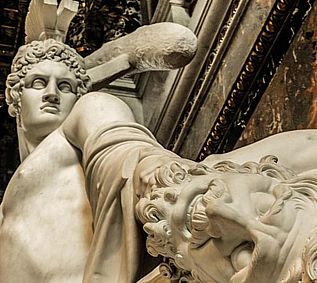
Read more … The Day the Earth Opened and Took Her Away | The Rape of Proserpina
Page 1 of 15
El dormir de la Tristeza y el sueño de la Alegría de Raffaelle Monti:, es casi un grito esculpido de la unificación italiana. ¡Imagínate el año 1861! Italia, esa tierra de poetas y guerreros,...
Jacques-Louis David se basó en la historia de Cupido y Psique para explorar el conflicto entre el amor idealizado y la realidad física. Cupido, amante de la bella mortal Psique, la visitaba todas...
La "Bagnante" (La Bañista) es una obra del pintor italiano Francesco Hayez, un destacado representante del Romanticismo en el siglo XIX. Hayez es conocido por sus retratos, escenas históricas y...
En el vasto escenario de la escultura italiana del siglo XIX, un nombre resuena con la fuerza de un eco que se niega a apagarse: Giovanni Dupré. Nacido en Siena en 1817, su destino parecía tallado en la...
¿Qué ves? Lo que ves es un hombre condenado a morir de hambre junto a sus hijos. Esta escultura muestra el momento que Ugolino considera el canibalismo. Está representado junto con sus cuatro hijos,...
Art Supplies / Oil Paints / Brushes / Watercolors / Canvases & Papers / Prints / Books / Gifts