Edipo y la Esfinge
- Details
- Pinturas
- 4286
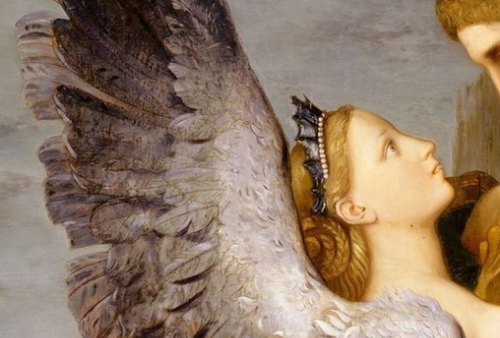
Layo y Yocasta, rey y reina de Tebas, son advertidos, tras consultar a la Pitia (el oráculo de Apolo), que si tuvieran un hijo, éste mataría a su padre y se casaría con su madre. Imaginen el...


Art / Culture / Mythology / Cinema / Books
Select your language


A young family enjoys a tender moment in a lush clearing. Venus, the goddess of love, holds the bow of Cupid, her son, while his father Mercury, the god of wisdom and messenger of the gods, teaches him to read. Mercury looks at his little one with an almost human affection, but Venus breaks the fourth wall: she gazes at us dreamily and smiles, inviting us to be accomplices in this divine domestic scene. Unusually, in this depiction, Venus is shown with wings, a detail that has puzzled and fascinated historians for centuries.
Read more … The Venuses of Correggio: The Eroticism that Anticipated the Rococo
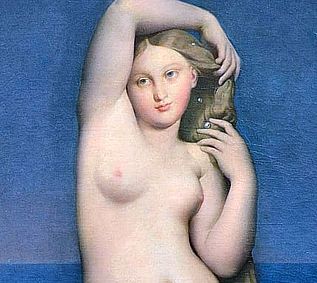
The sea and the foam: two essential elements upon which artistic representations linked to the birth of Aphrodite are based. Throughout the centuries, artists have offered a very free interpretation of the details of the myth, but always returning to that aquatic origin. From this arises the epithet "Anadyomene," which literally means "rising from the breast of the waters." However, it is curious to note that representations staging the violent emergence or the actual movement of the goddess rising are truly rare. Most painters prefer the moment of calm after the storm.
Read more … Venus Anadyomene: The Birth of an Obsession with Beauty

Hecate, the Greek goddess of three faces, is a truly special figure who defies the logical and structured order of the ancient cosmos. Unlike the Olympian gods who have clearly defined domains, she moves in the shadows of transitions. Specifically, she does not fit into the Greek order at all because she is the very embodiment of change. The lunar phases, the paths that cross, the doors and thresholds represent this principle of constant mutation that the goddess unwaveringly enforces in her own way.
Read more … Hecate: The Goddess of Three Faces and Magic in Art
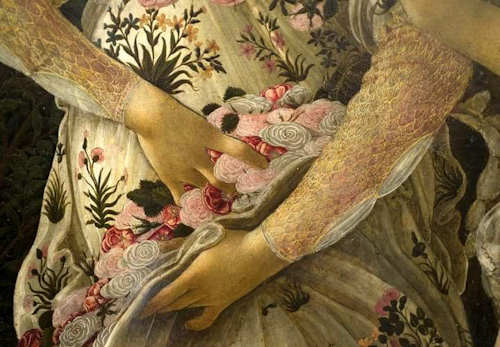
In the workshops of Florence, where the geniuses of the Renaissance forged immortal works, a creation was born that would capture the very essence of spring and the mysteries of rebirth. It was the hand of Sandro Botticelli, moved by divine muses, that captured on canvas the splendor of "La Primavera," a painting that would not only enchant generations but would become a portal to a world where gods, nymphs, and flowers wove an epic story.
Read more … The Desired Spring by Botticelli: Secrets and Gods in an Epic Masterpiece
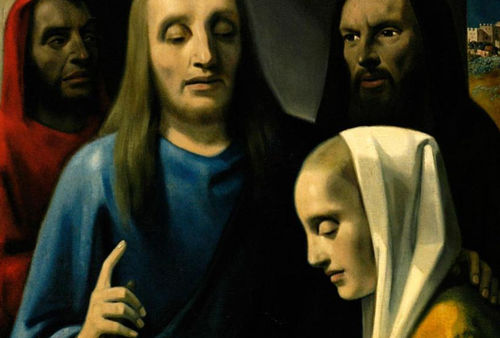
Imagine the scene: it is the end of World War II, and the Allies are recovering artistic treasures stolen by the high command of the Third Reich. Among the lavish collection of Hermann Göring, the second most powerful man in Nazi Germany, they find a jewel that leaves experts breathless: "Christ and the Adulteress," an unknown work by the Dutch master Johannes Vermeer. The discovery is historic, but it hides a secret that is about to unleash the greatest scandal in art history.
Read more … The Forger Who Humiliated the Nazis: The Incredible Scam of Han van Meegeren
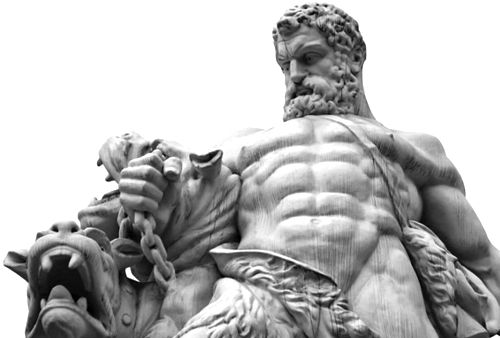
Before diving into the list of monsters, feats, and impossible journeys, we must clear up a doubt that has confused art and history lovers for centuries: Are we talking about Heracles or Hercules? The answer is simple yet revealing. Heracles is his original Greek name, which ironically means "Glory of Hera." Hercules is simply the Roman adaptation of the same hero.
Read more … The 12 Labors of Heracles: The Complete Hero's Guide
Page 10 of 15
Layo y Yocasta, rey y reina de Tebas, son advertidos, tras consultar a la Pitia (el oráculo de Apolo), que si tuvieran un hijo, éste mataría a su padre y se casaría con su madre. Imaginen el...
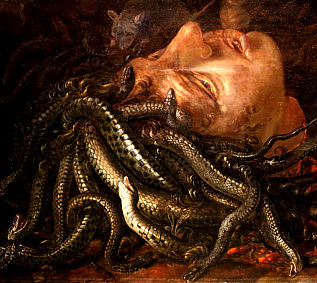
El Poderoso icono de la mitología clásica, Medusa, representa la criatura maligna por excelencia. Con su belleza sedujo a Poseidón y despertó los celos de Atenea, que transformó sus cabellos dorados en...
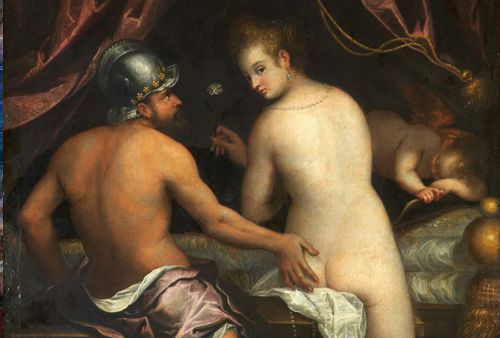

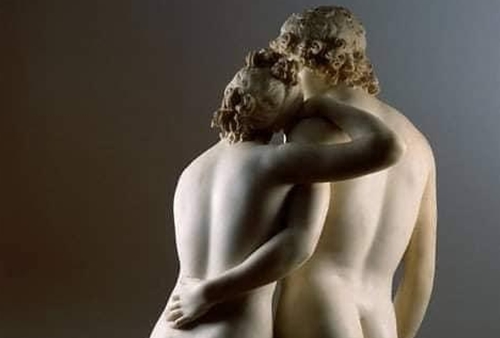
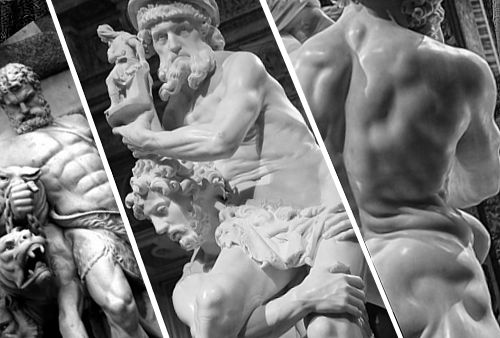
Desde los albores de la civilización, el Inframundo (el Hades griego o el Orco romano) ha sido el destino ineludible, el reino sombrío donde las almas de los mortales se disuelven en la eternidad....
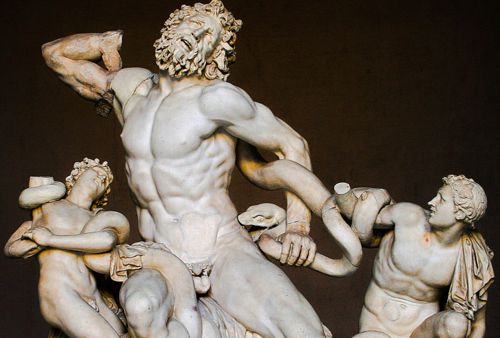
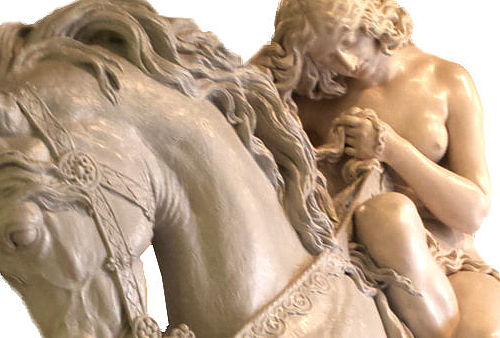
Art Supplies / Oil Paints / Brushes / Watercolors / Canvases & Papers / Prints / Books / Gifts
Estamos ahi, igual que tu !


 Sumérgete en un viaje emocionante donde la creatividad y la belleza artística se fusionan para dar vida a narraciones atemporales que siguen cautivando al mundo moderno. Desentrañamos los secretos ocultos detrás de estas obras icónicas y te llevamos en un recorrido único por la intersección entre mitología y genialidad artística.¡Déjate inspirar por la riqueza cultural que perdura a través de los siglos !
