
Select your language

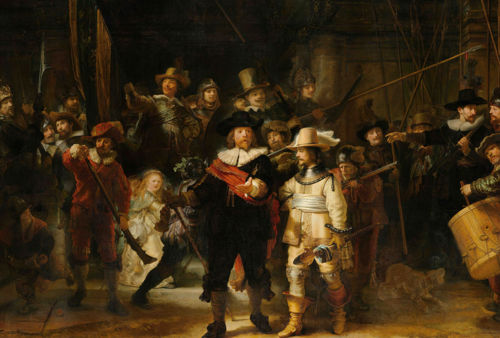
Few paintings have been looked at, studied and reproduced as much as The Night Watch. Rembrandt finished it in 1642 and, almost four centuries later, it still holds secrets. Many of them were not in plain sight: they came to light thanks to Operation Night Watch, the research and restoration project the Rijksmuseum in Amsterdam launched in 2019 with a team of more than twenty scientists, conservators, curators and photographers.
Read more … The Night Watch: 6 Secrets Hidden in Rembrandt's Masterpiece

You've probably wondered what the two symbols that represent man and woman actually mean. Representing two planets, iron, copper and a pair of Olympian gods, the classic symbols for man and woman carry a lot of meaning in just a few lines.
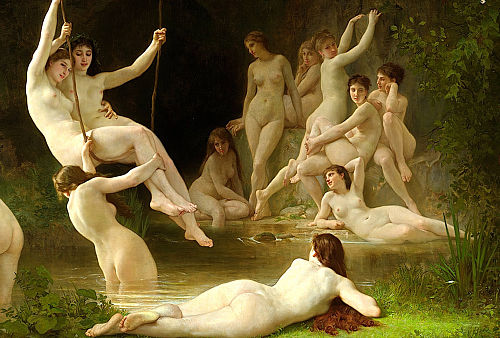
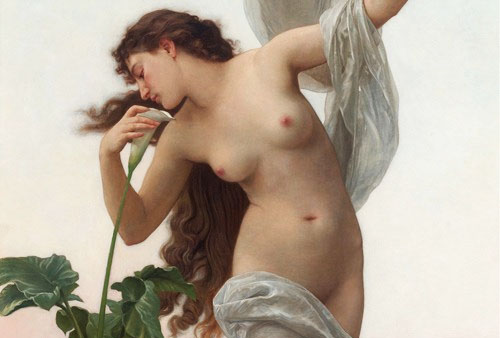
Long before the word "sanctuary" meant what it means to us today, the Greeks already had a sacred place devoted to water and to those who inhabited it. It wasn't just a beautiful space: it was the earthly home of minor divinities who, it was believed, could bless or punish anyone who dared disturb them. They were the nymphs, and the place where they were honored was called a nymphaeum.
Read more … Bouguereau's The Nymphaeum: The Sacred Grotto of the Nymphs
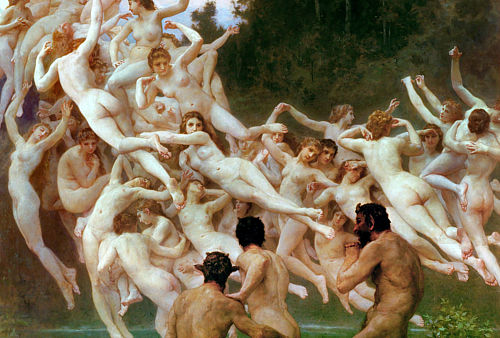
Before the first ray of sunlight touches the valleys, the peaks keep secrets that mortals rarely get to witness. To the ancient Greeks, mountains were never empty places: they could also be home to spirits of nature, eternally beautiful young women who embodied the wild beauty of the earth. They were the nymphs.
Page 2 of 16
Estamos ahi, igual que tu !


 Sumérgete en un viaje emocionante donde la creatividad y la belleza artística se fusionan para dar vida a narraciones atemporales que siguen cautivando al mundo moderno. Desentrañamos los secretos ocultos detrás de estas obras icónicas y te llevamos en un recorrido único por la intersección entre mitología y genialidad artística.¡Déjate inspirar por la riqueza cultural que perdura a través de los siglos !