

Night did not descend upon the fields of Europe as a simple change of light; it fell like a sentence. In an era when maps ended where impenetrable forests began and marshes exhaled invisible fevers, the world was inhabited by presences that defied human reason.
The very air seemed to thicken as church bells recited the Angelus, marking the fragile boundary between the realm of the sacred and the untamed territory of the occult. On that threshold of shadows and superstition was born one of the most enigmatic, persecuted, and fascinating figures in human history: the witch.
To understand the profound depth of this archetype, one must strip away the carnival disguises that time and pop culture have imposed upon it. The historical and mythical witch was not born in children's fairy tales, but in humanity's urgent need to explain suffering, chance, and the dark reverse side of nature. Long before ecclesiastical courts drafted inquisitorial treatises, rural communities were already turning to the wise woman, the healer who understood the secret properties of nightshade, hellebore, and mandrake.
They were heiresses to an ancestral medicine that drew no distinction between pharmacopeia and incantation. At the dawn of civilization, paganism had woven a web in which the earth was a living, maternal organism, traversed by telluric currents that ancient priests and priestesses learned to modulate through song and offering.
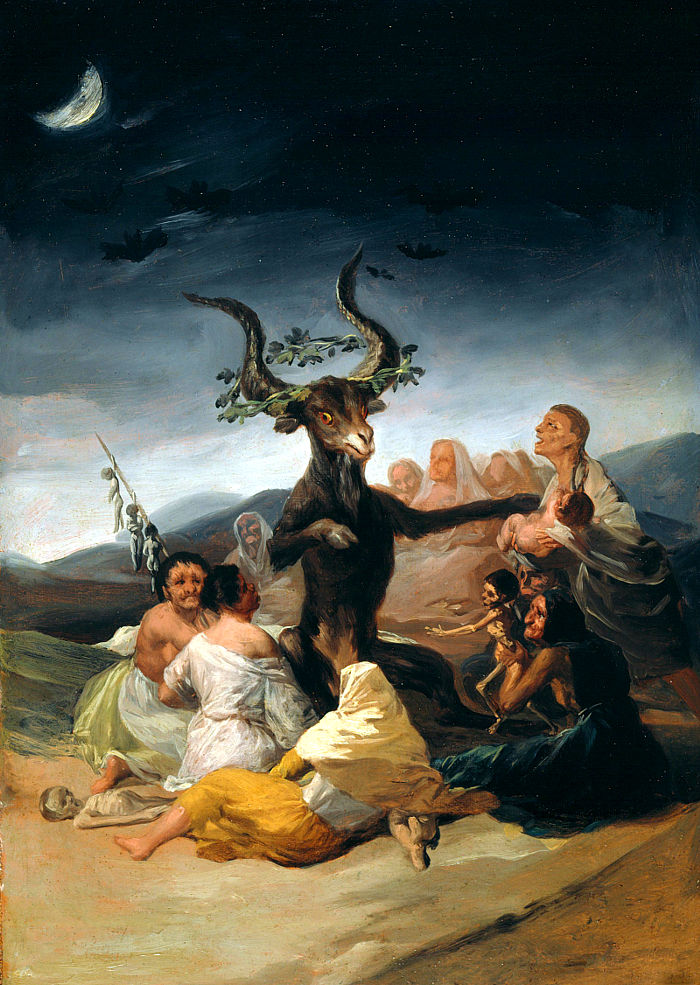
However, the arrival of rigid monotheism and the rise of the feudal order irrevocably disrupted this equilibrium. What was once revered as a pact with the spirits of nature came to be categorized as cosmic treason. Medieval theology constructed an architecture of fear in which the devil no longer lurked merely in distant deserts, but at the very heart of the village. The sabbath—that nocturnal assembly beneath waning moons—became the recurring nightmare of inquisitors. The liturgy of the Church demanded order, hierarchy, and submission; the sabbath offered its inverted mirror: a black mass where hierarchies crumbled, women assumed command of the ceremony, and the natural order of the known world was suspended in a frenzied dance around a bestial throne.
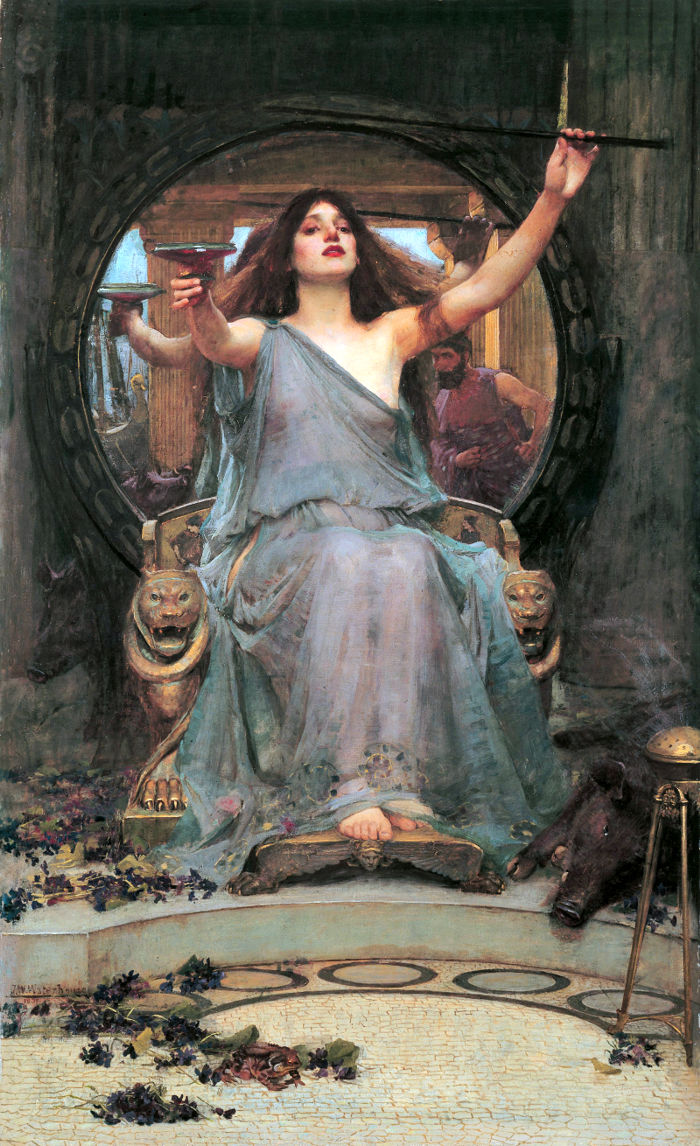
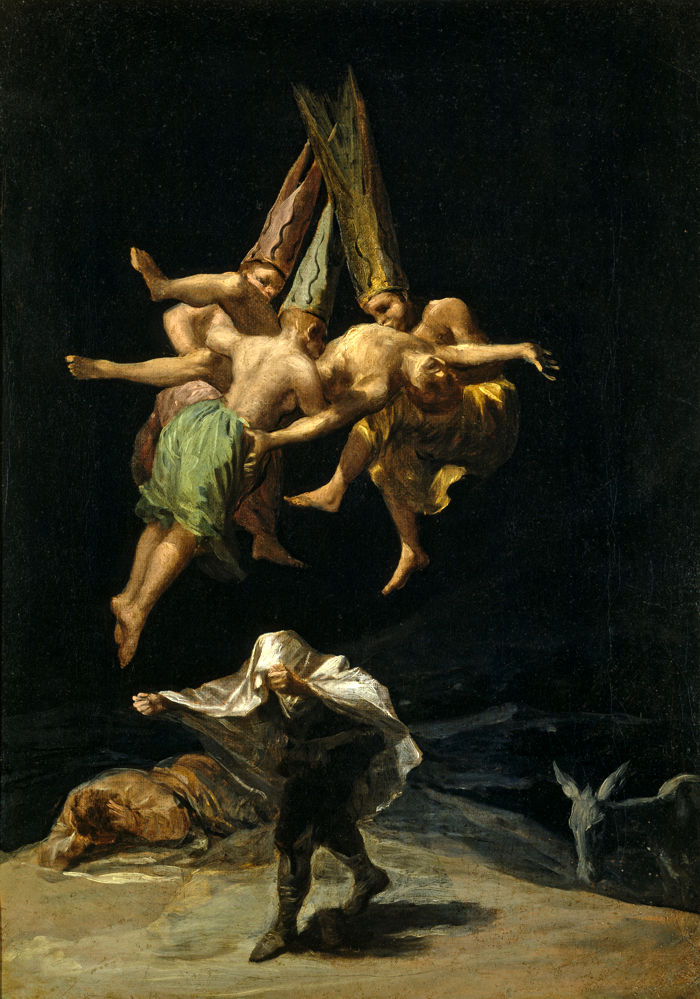
The symbolism surrounding this universe is a coded language of taboos and transgressions. Take, for instance, the act of flying. In the collective imagination, the witch rides through the night skies atop a wooden staff or a household tool. Anthropology and legal medicine of the era uncovered a disturbing physiological reality behind this myth: flying ointments, composed of animal fats and highly hallucinogenic plants such as henbane or hemlock, were not administered orally, but absorbed through the mucous membranes via anointed wands or broom handles. Flight was not physical, but a psychedelic journey into the depths of the psyche, an out-of-body experience where the soul abandoned the flesh to join the grand cosmic frenzy of invisible forces.
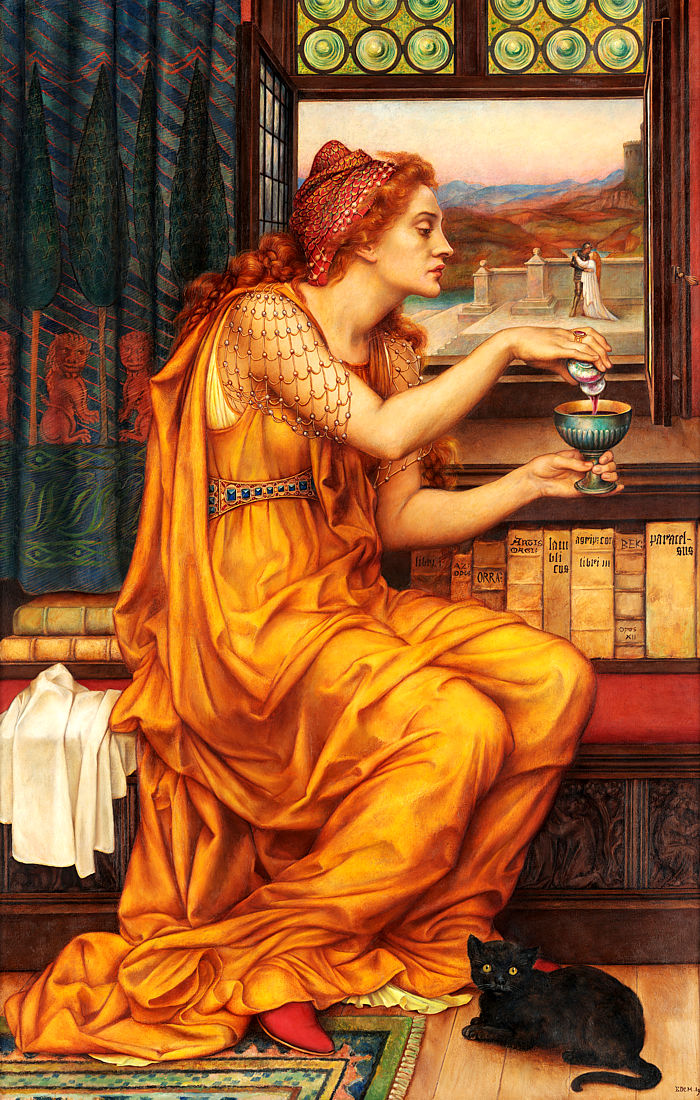
As the centuries progressed, institutional persecution transformed the figure of the sorceress into a scapegoat of titanic proportions. Famines, plagues, and political crises demanded tangible culprits. The solitary neighbor, the neglected widow, or the woman who possessed too much intellectual independence were perfect targets on a social chessboard dominated by moral panic. The fire of the stakes did not merely consume bodies; it incinerated female autonomy and established an indelible psychological precedent: profound knowledge, that which escaped patriarchal or clerical control, was intrinsically dangerous.
In subsequent centuries, as the Renaissance gave way to the Enlightenment and the Enlightenment to the feverish darkness of Romanticism, art and literature rescued the witch—not to condemn her, but to bestow upon her a tragic and subversive dignity. Creators of the 18th and 19th centuries understood that the witch was, in reality, the embodiment of the terrifying sublime. She represented the triumph of unbridled imagination over the cold tyranny of geometric reason. On their canvases and in their tales, magic ceased to be a superstitious fraud and became a metaphor for the human unconscious, a realm inhabited by suppressed desires, unconfessable guilt, and vertigo before the unknown.
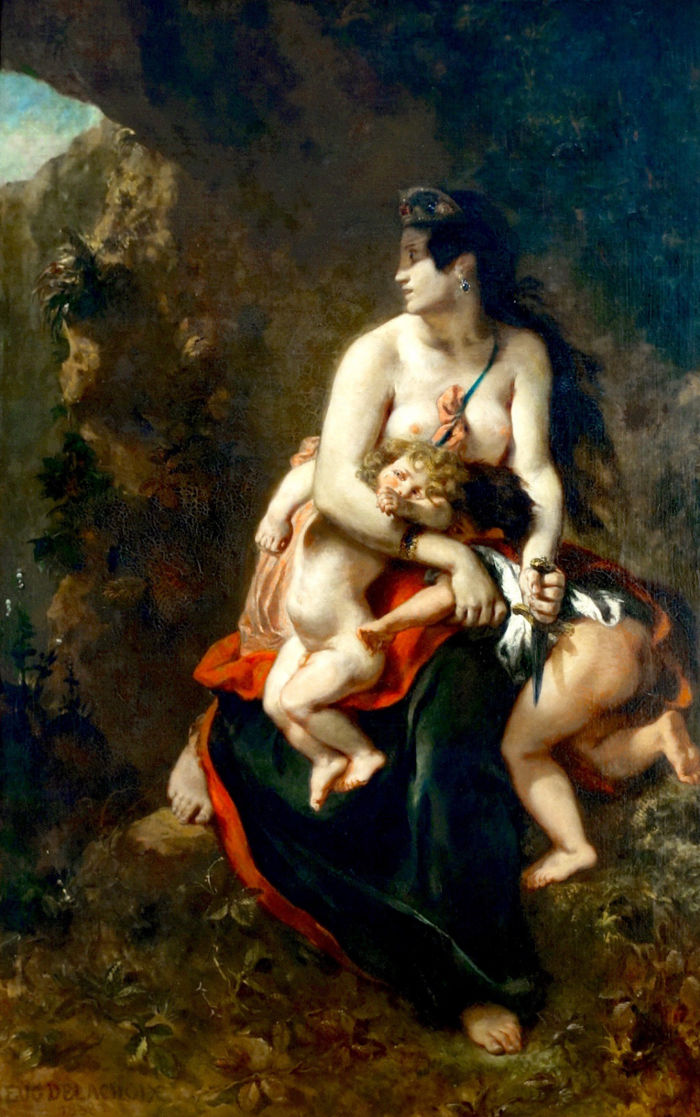
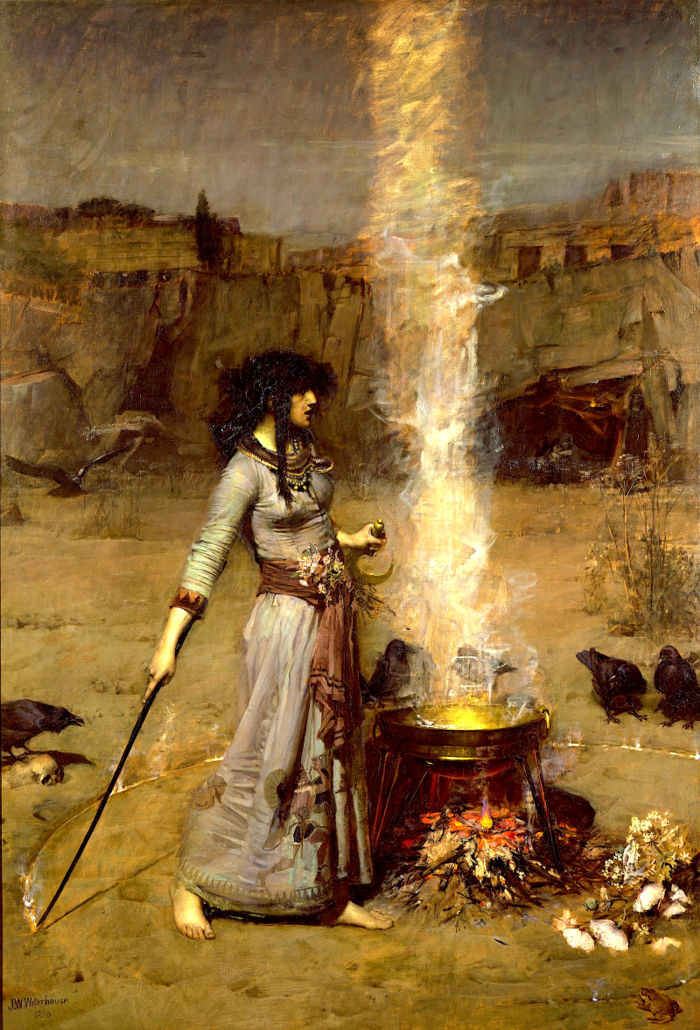
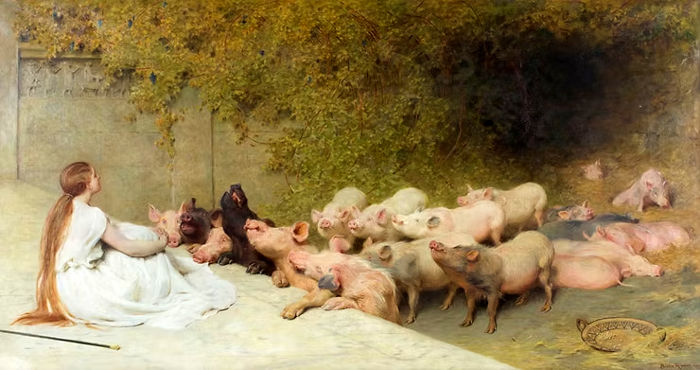
Classical mythology had already sown these seeds through figures like Circe or Medea, sorceresses who mastered the elements, turned men into beasts, and challenged the laws of the gods through potions and runic chants. But the Western Christian witch added to that mythical lineage a component of social marginalization and dark resistance. The circle drawn in the earth with a hazel wand was not merely a boundary against demons; it was the symbolic frontier between imposed law and individual sovereignty. Within that circle, the woman ceased to be a subject and became the architect of her own destiny, even if the price to pay was eternal damnation or death at the stake.
Thus, the history of witchcraft in art and collective memory is, at its core, the history of our own shadows. Every smoking cauldron, every spellbook bound with iron clasps, and every gaze lost in the depths of the night speak of the eternal tension between the desire to master the world through science and the secret nostalgia for a time when nature and the human soul were inhabited by inscrutable mysteries. The witch survives in the modern subconscious as an eternal reminder that truths exist beyond the light of torches, waiting patiently in the silence of the forests and within the deepest folds of the mind.
THE ARTWORKS
Witches' Flight Francisco de Goya
The Magic Circle John William Waterhouse
Circe Offering the Cup to Ulysses John William Waterhouse
The Love Potion Evelyn De Morgan
Witches' Sabbath or The Great He-Goat Francisco de Goya
Medea About to Kill Her Children Eugène Delacroix
Circe and the Friends of Ulysses Briton Rivière