
Art / Culture / Mythology / Cinema / Books
Select your language

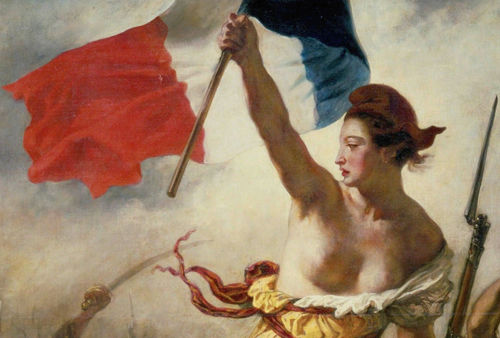
Do you really think social media invented the need to "clean up one's image" after a mistake? Of course not! In 1830, Eugène Delacroix faced a moral dilemma that would haunt him for years, and his response was to paint the most monumental and symbolic work in French history. Liberty Leading the People is not just a painting about a revolution; it is the testimony of a man who, not daring to wield a rifle, decided that his brush would be his only bayonet. Life is Art, but sometimes, art is the only way we have to sleep peacefully.
Read more … Liberty Leading the People: An Artist's Cry for Forgiveness

Lady Godiva is a painting from 1897 by the English artist John Collier, a prominent member of the late Pre-Raphaelite circle. The scene depicted — the famous nude ride of the Saxon noblewoman through the streets of Coventry — belongs to one of the most enduring medieval legends in England. For nearly a thousand years, the story has been told, modified, and reinterpreted, blending documented facts with symbolic, religious, and political elements that reflect the social tensions of feudal England.
Read more … Lady Godiva's March: Between Devotion and Protest

The story of Lady Godiva is one of the most well-known medieval legends of England, yet behind the popular narrative lies a complex historical framework that raises fundamental questions about female power, the interpretation of medieval sources, and the way symbolic narratives gradually transform into apparently historical facts.
Read more … The flip side of Lady Godiva: Not everything is black and white

Do you really think social media invented scandals and gossip? Of course not! In the 18th century, they were everywhere, and this masterpiece by Jean-Honoré Fragonard is the perfect example that the French aristocracy knew exactly how to have fun (and how to hide it). Life is Art, but sometimes, art is the evidence of the crime.
Read more … The Secrets of Fragonard's The Swing: A Masterpiece for Scandal
Page 3 of 15
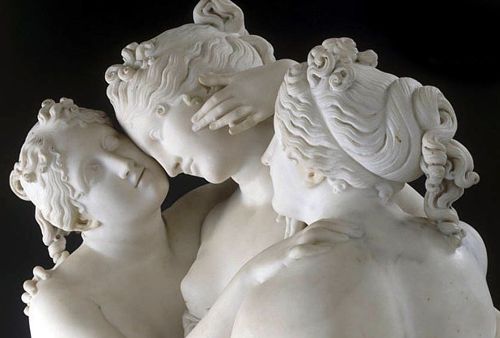
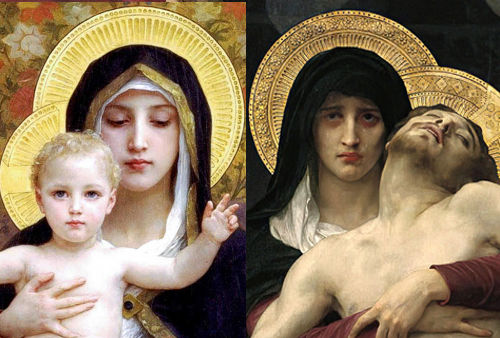
Read more … María y Jesús a través del tiempo, un vínculo...
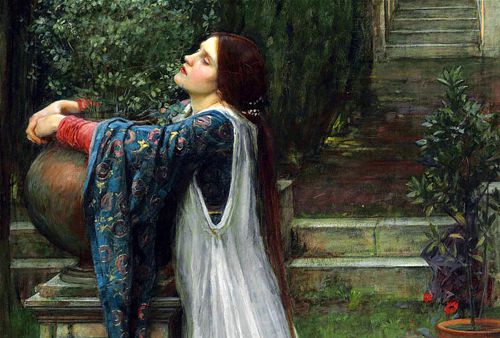
Isabella y la olla de Albahaca es una historia del poeta florentino Giovanni Boccaccio. La doncella Isabella está enamorada de Lorenzo, quien trabaja como empleado para sus dos hermanos...
Read more … El Jardín Secreto de la Locura: Isabella y la...
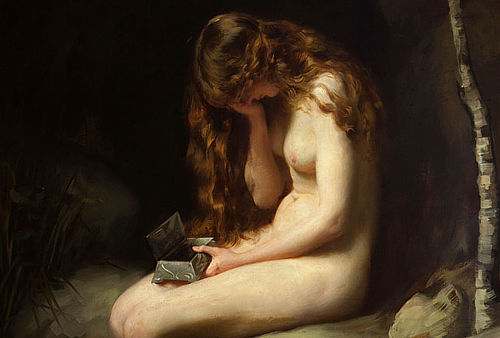
En los albores de la humanidad, cuando los dioses aún caminaban entre los mortales y el Olimpo regía el destino del mundo, nació una figura cuyo nombre sería recordado a través de los siglos:...
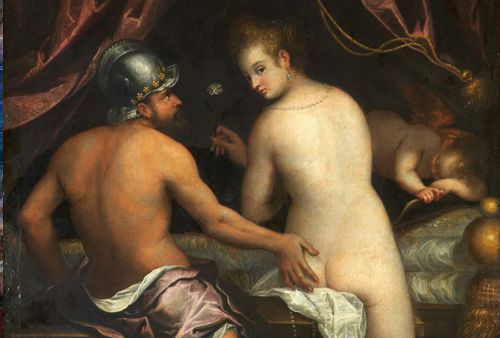

La escultura El Viento del Oeste de Thomas Ridgeway Gould, creada en 1876, es una obra de mármol que captura de manera simbólica la figura femenina como una encarnación del viento. La escultura...

Art Supplies / Oil Paints / Brushes / Watercolors / Canvases & Papers / Prints / Books / Gifts
Estamos ahi, igual que tu !


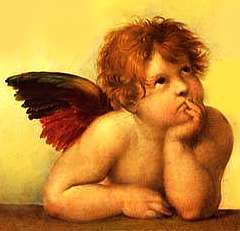 Sumérgete en un viaje emocionante donde la creatividad y la belleza artística se fusionan para dar vida a narraciones atemporales que siguen cautivando al mundo moderno. Desentrañamos los secretos ocultos detrás de estas obras icónicas y te llevamos en un recorrido único por la intersección entre mitología y genialidad artística.¡Déjate inspirar por la riqueza cultural que perdura a través de los siglos !