
Art / Culture / Mythology / Cinema / Books
Select your language

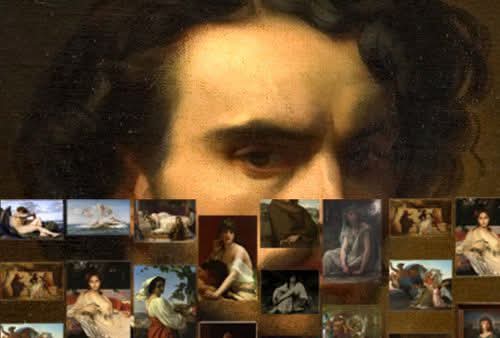
To speak of :contentReference[oaicite:0]{index=0} (1823–1889) is to dive into the heart of nineteenth-century academic art. He was the painter who, like few others, embodied the aesthetics of idealized beauty, refinement, technical perfection, and the brilliance of French painting during the Second Empire. His works are, at once, symbols of an art that dominated official salons and academies, and testimony to a style that would soon be challenged by the rising wave of Impressionist modernity.
Read more … Alexandre Cabanel: the painter of absolute beauty

Despair is everywhere. The sea devours them. A small raft trembles beneath broken waves. A man clings on, his eyes wide with fear. A mother holds her child tightly. One arm still reaches out. This is not a fictional scene. It is the central image of one of the most brutal and modern paintings of the 19th century: The Raft of the Medusa, by Théodore Géricault. A work that does not merely depict a shipwreck, but political failure, the incompetence of power, and the extreme fragility of human beings when civilization disappears.

I am Theseus, son of Aegeus, King of Athens, and Aethra. From my youth, I knew that destiny had marked my life for great feats and challenges. In this account, I will tell you how I confronted and defeated the Minotaur, the beast of Crete, and freed my homeland from a dark tribute. This epic is not just a story of bravery and strength, but also of love and cunning, of how a young mortal defied fate and the gods.
Read more … The Red Thread of Destiny: Theseus, the Minotaur, and the Tragedy of the Aegean Sea
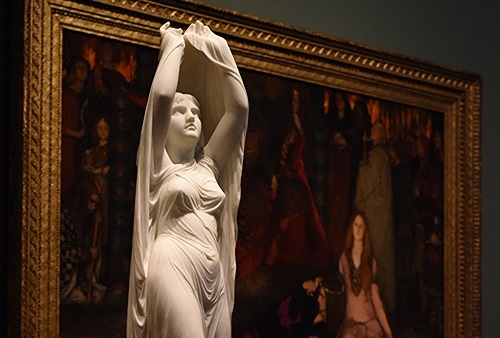
Ondine was the kind of being who seemed made of water and light. A nymph of the streams and springs, free as the currents she traversed and as ethereal as the dew at dawn. Her beauty was said to be unmatched, but it was her untamed spirit that truly made her unique. She lived surrounded by nature, conversing with fish, playing with the leaves that fell into the water, and dancing with the reflections of the sun. She needed nothing more than her freedom.
Read more … The Curse of Ondine: A Myth Behind the Truth and the Tragedy of Betrayed Love
Page 2 of 15
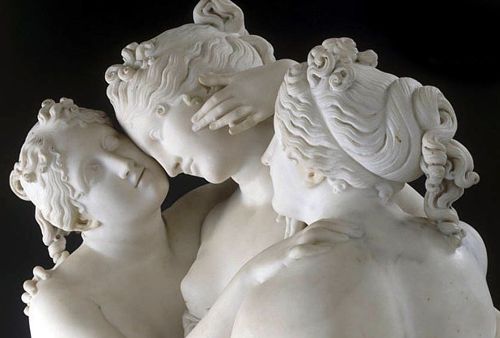
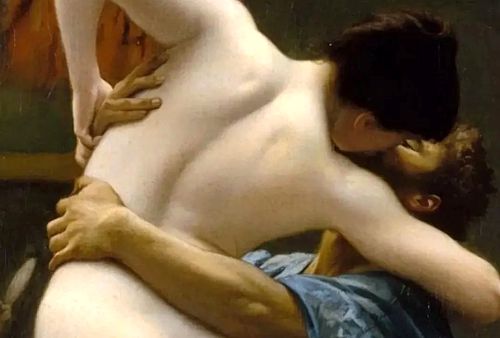

En los días antiguos, cuando los dioses caminaban sobre la Tierra y el destino de los hombres se tejía en los cielos, Andrómeda, hija de la reina Casiopea, fue condenada por la soberbia de su madre....
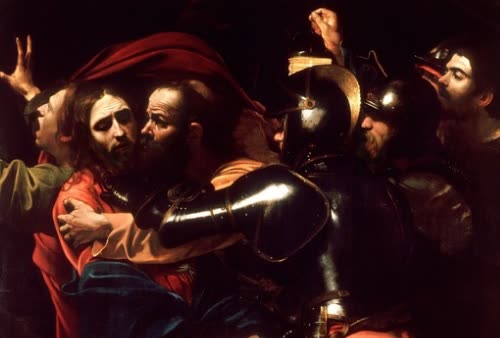
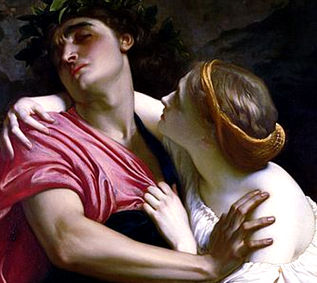
La historia de Orfeo y Eurídice es la última trágica historia de amor, de la que se han contado muchas versiones con algunas diferencias entre ellas. El relato más antiguo proviene de Ibycus...
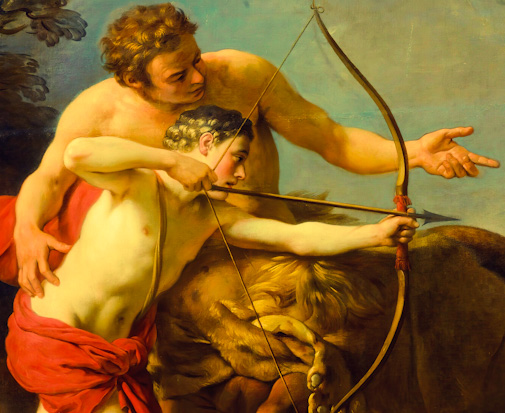

La mesa Demidofffue esculpida por Lorenzo Bartolini en 1845. Es una escultura de mármol blanco en donde se observa una ronda de tres niños acostados sobre una mesa.A lo largo del borde de la parte...
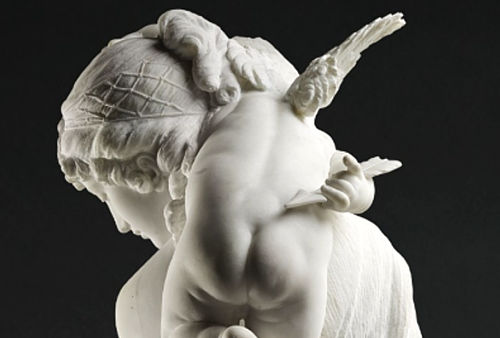
La tentación de la vestal, atribuida a Antonio Rossetti (1819-1889), es una escultura emblemática del siglo XIX que captura un momento cargado de dramatismo y simbolismo. Antonio Rossetti fue un...
Art Supplies / Oil Paints / Brushes / Watercolors / Canvases & Papers / Prints / Books / Gifts
Estamos ahi, igual que tu !


 Sumérgete en un viaje emocionante donde la creatividad y la belleza artística se fusionan para dar vida a narraciones atemporales que siguen cautivando al mundo moderno. Desentrañamos los secretos ocultos detrás de estas obras icónicas y te llevamos en un recorrido único por la intersección entre mitología y genialidad artística.¡Déjate inspirar por la riqueza cultural que perdura a través de los siglos !