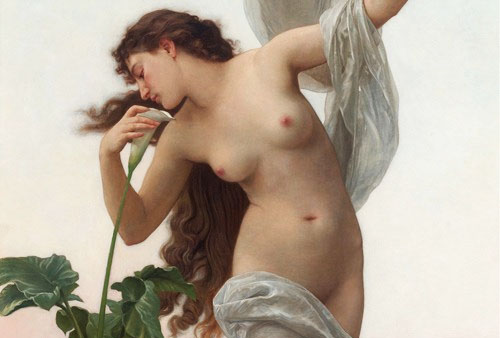

Select your language

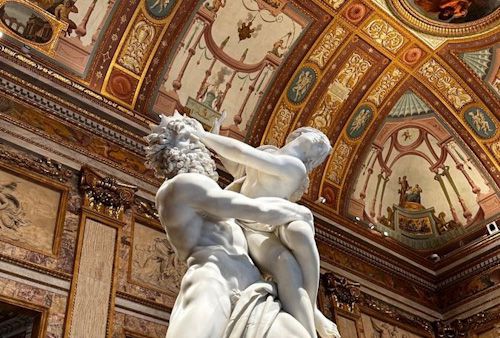
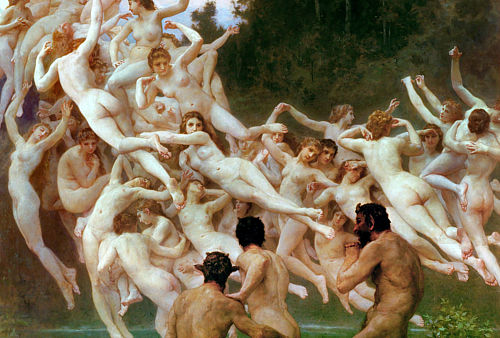
The story of the abduction of Persephone is more a story about Demeter than about her daughter Persephone. The violation of Persephone had terrible family precedents, beginning with the relationship of her mother Demeter with one of her brothers, the father of her daughter, Zeus, king of the gods, who also refused to intervene to help the girl, at least in a timely manner. Demeter, goddess of the earth and grain, as we have already told in La Vida es Arte, was the sister of Zeus, as well as of Poseidon and Hades.
Read more … The Day the Earth Opened and Took Her Away | The Rape of Proserpina

I am Theseus, son of Aegeus, King of Athens, and Aethra. From my youth, I knew that destiny had marked my life for great feats and challenges. In this account, I will tell you how I confronted and defeated the Minotaur, the beast of Crete, and freed my homeland from a dark tribute. This epic is not just a story of bravery and strength, but also of love and cunning, of how a young mortal defied fate and the gods.
Read more … The Red Thread of Destiny: Theseus, the Minotaur, and the Tragedy of the Aegean Sea
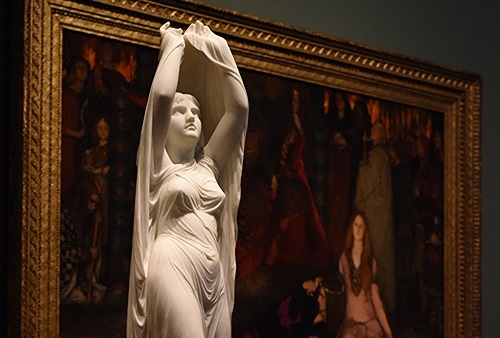
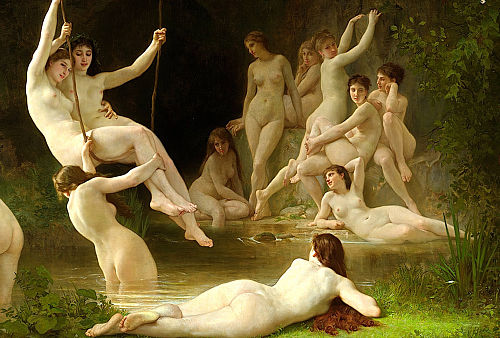
Ondine was the kind of being who seemed made of water and light. A nymph of the streams and springs, free as the currents she traversed and as ethereal as the dew at dawn. Her beauty was said to be unmatched, but it was her untamed spirit that truly made her unique. She lived surrounded by nature, conversing with fish, playing with the leaves that fell into the water, and dancing with the reflections of the sun. She needed nothing more than her freedom.
Read more … The Curse of Ondine: A Myth Behind the Truth and the Tragedy of Betrayed Love
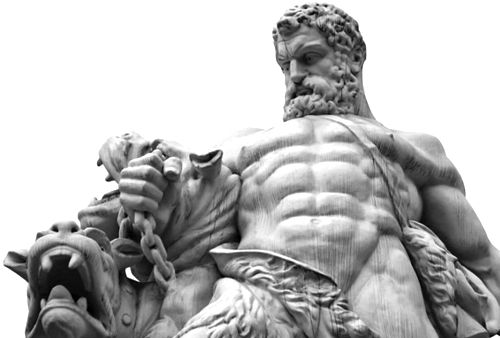
Before diving into the list of monsters, feats, and impossible journeys, we must clear up a doubt that has confused art and history lovers for centuries: Are we talking about Heracles or Hercules? The answer is simple yet revealing. Heracles is his original Greek name, which ironically means "Glory of Hera." Hercules is simply the Roman adaptation of the same hero.
Read more … The 12 Labors of Heracles: The Complete Hero's Guide
Page 2 of 5
Estamos ahi, igual que tu !


 Sumérgete en un viaje emocionante donde la creatividad y la belleza artística se fusionan para dar vida a narraciones atemporales que siguen cautivando al mundo moderno. Desentrañamos los secretos ocultos detrás de estas obras icónicas y te llevamos en un recorrido único por la intersección entre mitología y genialidad artística.¡Déjate inspirar por la riqueza cultural que perdura a través de los siglos !