

The nature of art makes it priceless. How can a price be put on a moment of genius captured by a brush five hundred years ago? However, in the real world of galleries, collectors, and auction houses, masterpieces are not only measured by their beauty but by their record-breaking ability. These events are not just financial transactions; they are statements about the cultural relevance, scarcity, and unalterable legacy of the great masters.
While modern and contemporary painting often dominates auction headlines, classic works (those pre-1920) possess a mystique and rarity that place them in a league of their own. Let's explore some of the classic paintings that have shaken the market and what their astronomical value tells us about their place in history.
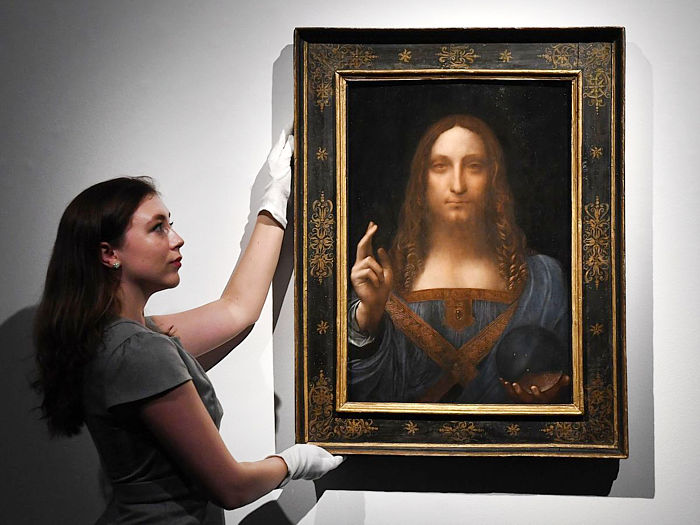
1. The Most Enigmatic Work: Salvator Mundi by Leonardo da Vinci (c. 1500)
It is impossible to discuss art records without mentioning the "Salvator Mundi." Sold for an astonishing 450.3 million dollars in 2017, this painting is not only the most expensive classic work but the most expensive painting of any period ever sold at public auction.
Why such a commotion? The answer lies in two words: Leonardo da Vinci.
The scarcity of works attributed to Leonardo is extreme. Fewer than 20 authentic paintings are believed to exist, and this was the only one remaining in private hands. For centuries, the painting was considered a copy or a work from his studio until intensive restoration in 2011 revealed characteristics of the Florentine master, such as the use of the famous sfumato and characteristic brushwork.
The history of the work is almost as fascinating as the sale price. Lost and rediscovered, it passed through the hands of English collectors and ended up at a minor auction in New Orleans, where it was sold for a pittance in 2005. Its journey from an obscured object to the pinnacle of the art market highlights a key principle of collecting: authenticity and provenance are as valuable as gold. Its final price reflects the global thirst for an unequivocal piece of Renaissance history.
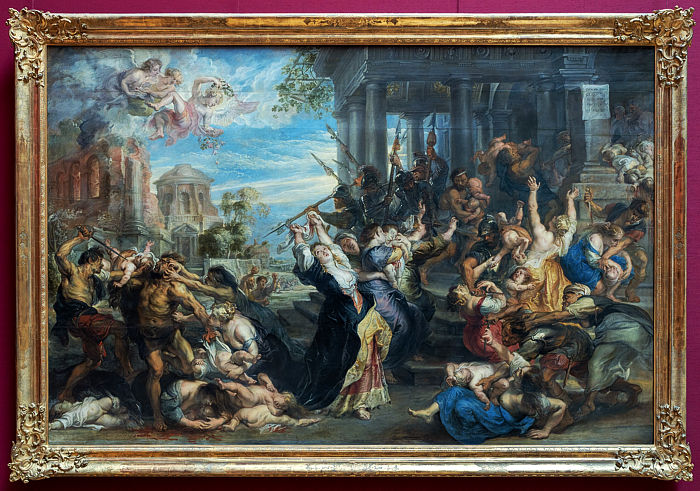
2. The Massacre of the Innocents by Peter Paul Rubens (1611-1612)
In 2002, before the era of routine multimillion-dollar prices, the sale of "The Massacre of the Innocents" for 76.5 million dollars (equivalent to over 125 million dollars today) was a seismic moment for the Old Masters market.
Rubens, the Flemish Baroque master, painted this dramatic and violent scene, typical of his dynamic and emotional style. The impact of the auction was twofold. First, it reaffirmed the importance of the Baroque period, often overshadowed by the Renaissance in terms of auction value. Second, and more importantly, its high price was linked to a similar story as the Da Vinci: the painting had been lost and was mistakenly cataloged for centuries as the work of a minor artist.
The discovery that it was an authentic Rubens, complete with his fierce energy and rich color palette, proved that great lost works of history can still be hiding in plain sight. For collectors, securing a Rubens of this magnitude and rediscovery story is an act of historical preservation that justified the price.
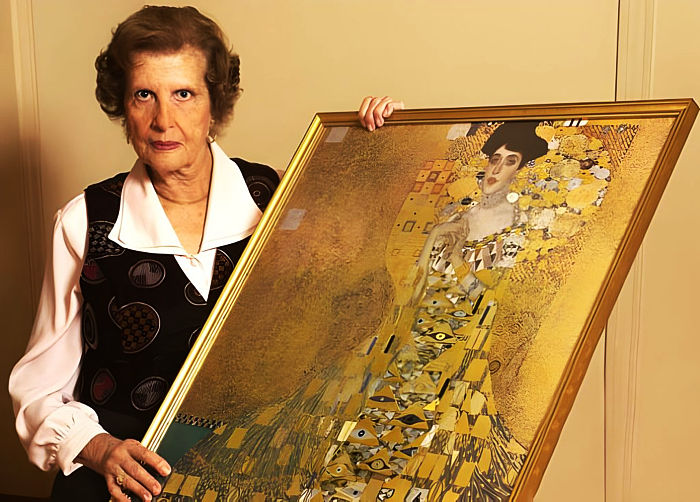
3. Portrait of Adele Bloch-Bauer I by Gustav Klimt (1907)
Although this work was sold in a private sale and not a public auction, its impact on the classic art market (understood as preceding pure modern abstraction) was immense. Tycoon Ronald Lauder paid 135 million dollars in 2006, a record at the time for any painting.
Klimt, a central figure of the Vienna Secession movement and a bridge between 19th-century art and modernity, created this portrait during his 'Golden Period'. It is famous for its fusion of realistic figures with Byzantine patterns of gold leaf.
The history of this portrait is as well-known as its price and is a powerful testament to the power of provenance and restitution. The painting was stolen by the Nazis during World War II. Its multimillion-dollar sale came after a long legal battle to return the work to the heirs of Adele Bloch-Bauer, which added unparalleled emotional weight and historical significance to the transaction. The buyer was not just acquiring an Art Nouveau masterpiece, but a powerful symbol of historical justice.
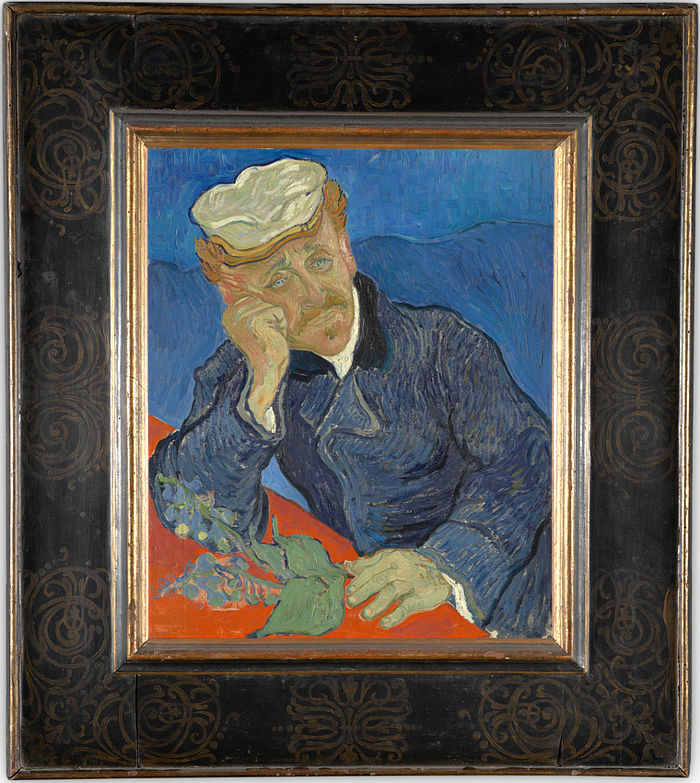
4. Portrait of Dr. Gachet by Vincent van Gogh (1890)
Van Gogh, a Post-Impressionist figure who created his masterpiece at the turn of the 20th century, reached the art market stratosphere in 1990 when this portrait sold for 82.5 million dollars. Adjusted for inflation, it remains one of the highest prices ever paid for a work of art.
The painting captures Dr. Gachet, the physician who cared for Van Gogh in his final months, with palpable melancholy. The value of this Van Gogh lies in the emotional intensity and history of its artist. Painted shortly before Vincent's death, it encapsulates the intensity of his genius and his torment.
The 1990 sale price was a turning point, marking the beginning of the "star price" era for art. It demonstrated that the market was willing to pay immense amounts for works by artists with tragic life narratives and a lasting impact on modern sensibilities.
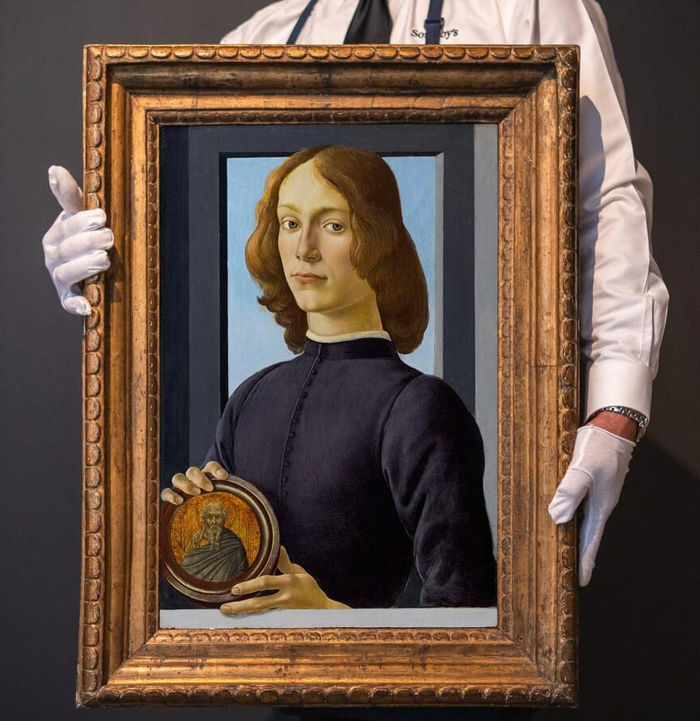
5. Portrait of a Young Man Holding a Roundel by Sandro Botticelli (c. 1475)
In 2021, the work by Sandro Botticelli, "Portrait of a Young Man Holding a Roundel," sold for 92.2 million dollars, a record for the Renaissance artist and one of the few Botticelli portraits remaining in private hands.
Why did it reach such a monumental price? Once again, scarcity is the key. Botticelli's Florentine court portraits are extremely rare, especially those in pristine condition. This piece captures the elegance and introspection of early Florentine youth, and its value is enhanced by the inclusion of a roundel that is, in itself, a 14th-century work of art.
The high price reaffirmed the insatiable demand for Renaissance masterpieces that defined our understanding of Western art. It is not just a portrait; it is a perfectly preserved window into the wealth and sophistication of Medici Florence.
Beyond the Money: What Auction Records Reveal
The fact that these classic works fetch such high prices is not just a reflection of global wealth. It is a measure of authenticity and verifiable provenance. In a market flooded with copies and fakes, a firm attribution to a master like Da Vinci, Rubens, or Van Gogh is a scarce and highly prized commodity.
These auctions also teach us that the art market is, in essence, a market of narratives. The works that sell for record prices come loaded with stories of rediscovery (Rubens, Da Vinci), the fight for justice (Klimt), or the tragic life of a genius (Van Gogh). It is the combination of undeniable technical beauty with a captivating human story that transforms a painting into an object of universal and historical desire. Each auction hammer strike is an echo of the immense cultural legacy these works continue to carry.
The figures may be astonishing, but the true magic lies in the immortality of these artists' vision.